
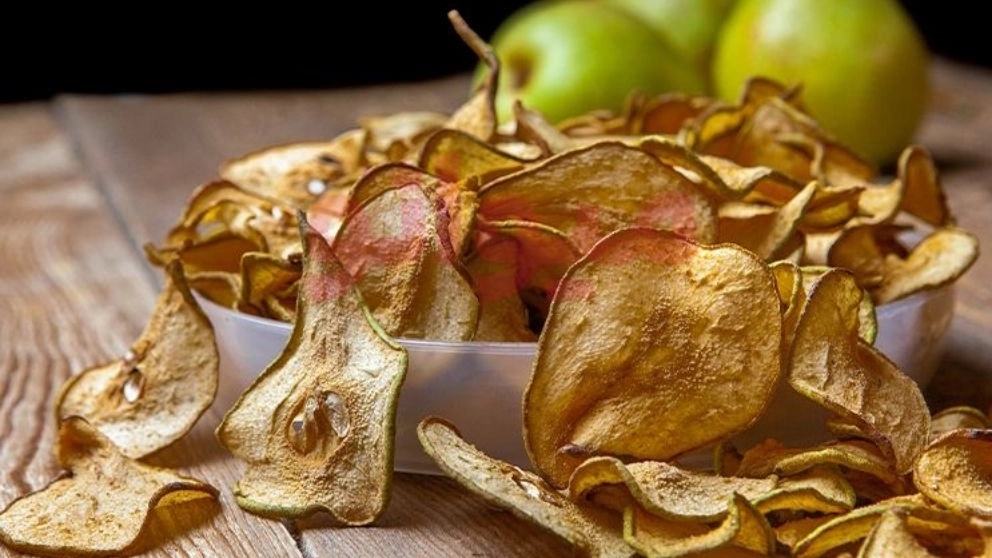
What is dry pear?
A dried pear is a fruit whose main water has been lost naturally, through drying in the sun or using special dryers or dehydrating devices. Dried fruit has a long tradition and has been common in Mesopotamia since the fourth millennium BC. Dried pears are very valuable because of their sweet taste, nutritional value and long shelf life.
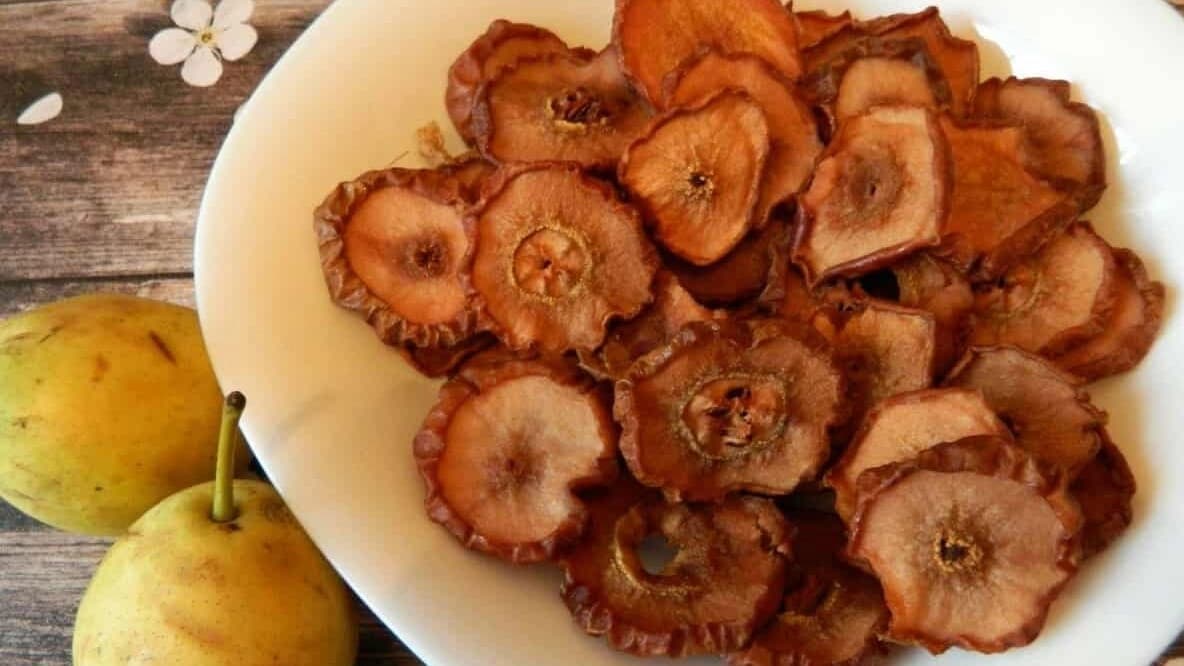
History of pear fruit
Pear is one of the oldest cultivated and popular fruits in the world, dating back to 5000 years BC. The name pear is derived from Anglo-Saxon pere or peru hu, Latin pera or pira. Pear has been grown in China since 2000 BC. Romans also cultivated this fruit and ate it raw or cooked like an apple. There is no information about when pear seedlings were introduced to Iran.
The benefits and properties of dry pears
Adding dried pears to the food basket can be of great help to the health of the body. Antioxidants in dried pears will fight many diseases and problems and increase immunity.
Help the body mechanism
Dried pear is very nutritious because it is rich in minerals that help the healing mechanism of the body. Pear leaves also contain important minerals such as copper and potassium. Copper helps to improve the immune system and the functioning of the body's nervous system, and potassium helps to deal with muscle contractions and heart function.
In addition, it is rich in antioxidants that help protect your body cells from oxidative stress. Oxidative stress is responsible for premature aging and several other health problems. It is better to never peel the pear because its skin has 6 times more antioxidants than the fruit itself.
Increased bowel health
Dried pear has a good combination of soluble and insoluble fiber that improves the health of the digestive system. If you eat the size of a medium pear, pear chips will provide about 22% of your daily fiber needs. Also, the soluble fiber in pears helps increase the amount of healthy bacteria in your gut.
Why do we look for soluble and insoluble fibers? Soluble fiber is great for health; Because it will feed the good bacteria in your gut. This not only improves digestion but also strengthens the body's immunity. But insoluble fiber increases the volume of stool, which will help to relieve constipation.
Improve the health of the heart and increase the strength of blood vessels
Dried pear has a large number of useful plant compounds. Some pears that have a red shade help improve heart health and increase the strength of blood vessels due to their high antioxidant content.
Pears that are greener have certain compounds that are very effective in ensuring better and clearer vision as you age. These pears prevent your eyesight from deteriorating.
Fight against inflammation
In most cases, having inflammation is a good sign. Because it means that your immune system is doing its job well. When your body has an infection, your immune system fights that infection, which leads to inflammation. But if the inflammation remains for a long time, it may lead to heart diseases and diabetes.
We said all this to conclude that dried pears help your body fight inflammation due to its high amount of antioxidants. Research has shown that a diet rich in flavonoids reduces the risk of heart disease and diabetes. Pear chips are also rich in copper and vitamins C and K, which are known to fight inflammation.
It reduces your chances of developing cancer.
Even hearing the word cancer is scary and we all fear this disease. Unfortunately, we still don't know what causes cancer and we don't have any sure way to treat it. But the good news is this. that by eating dried pears you can reduce the chance of getting cancer.
Reduces diabetes.
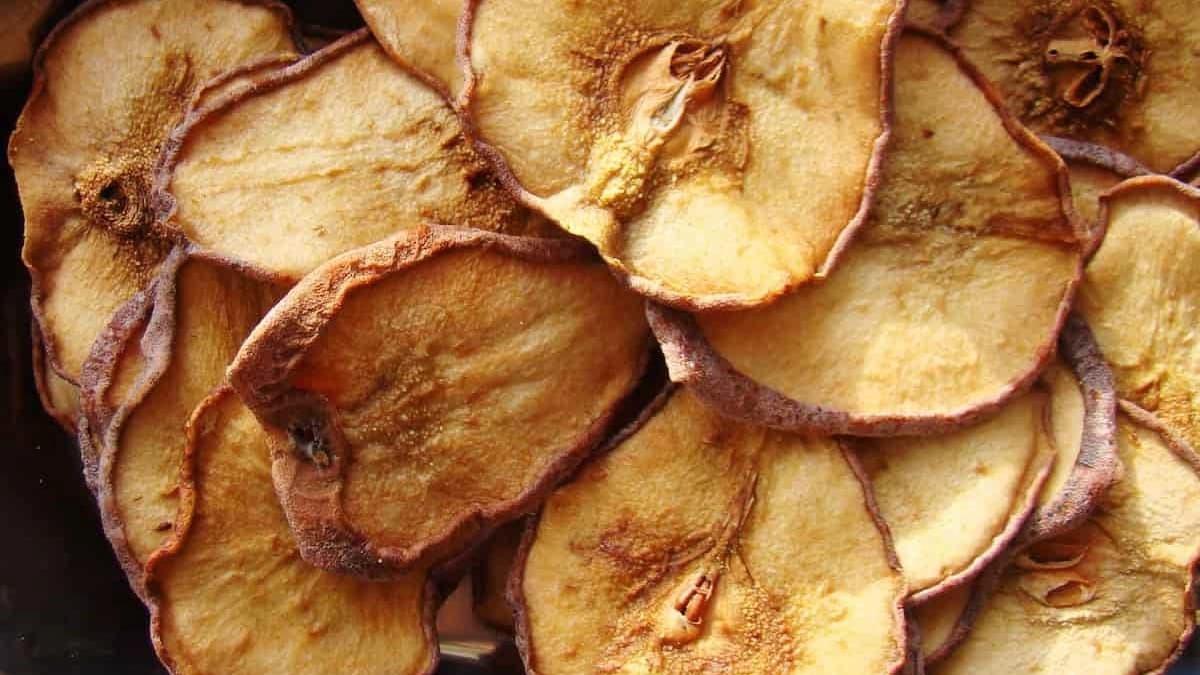
If you eat red pear leaves regularly, you can reduce the chance of developing diabetes by 23%. The fiber in dried pears helps regulate your blood sugar levels. Because your body needs more time to eliminate sugar. This means that there is more time to absorb carbohydrates.